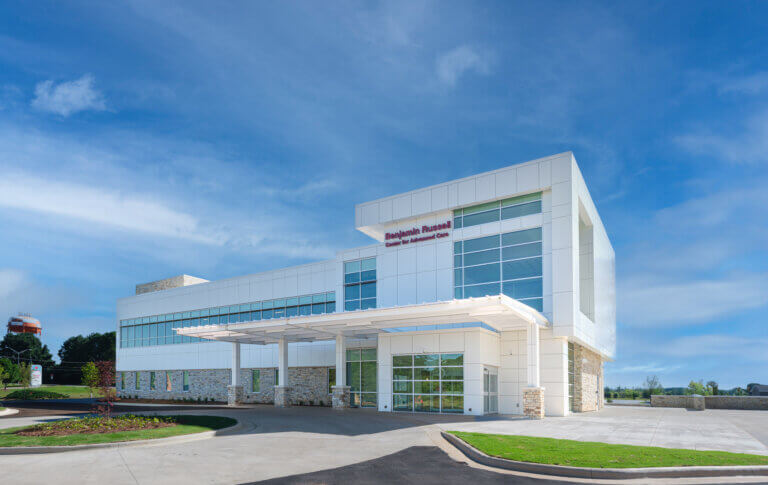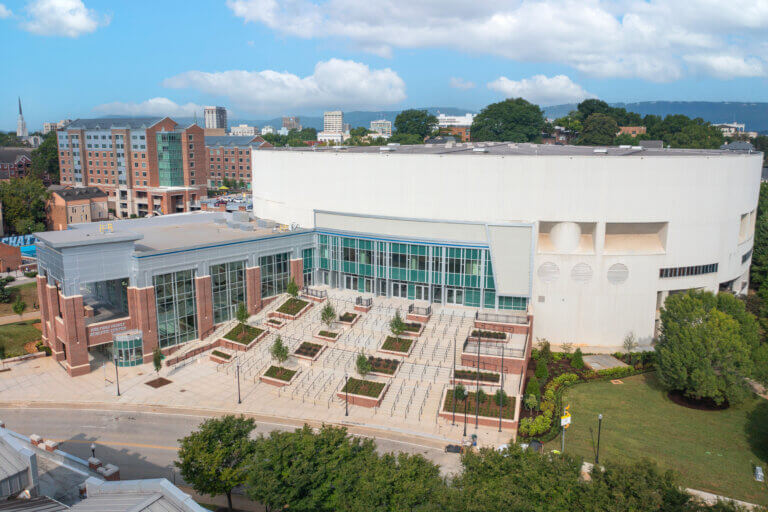
The military-service-to-construction career pipeline has always been a strong one. Many of the same skills learned in active and reserve duty can be applied on construction jobsites, both technically and in dealing with people. We’re proud of the service many of our employees have given, and so in honor of Veterans Day this year we sat down with Glenn Wineinger, our Senior Mechanical, Electrical, Plumbing, and Fire Protection (MEPF) Manager, who served in the United States Navy before coming to Hoar. In a nice, full-circle moment, while at Hoar, Glenn has been responsible for overseeing MEPF construction on several projects for the U.S. Department of Veterans Affairs (VA).
Q: What can you tell us about your time in the service?
A: During my time with the U.S. Navy, I volunteered for Submarine Service. The process of being accepted into the Silent Service was both rigorous and fascinating, but somehow, I made it all the way through. That training has carried me throughout my career and translates well to Hoar Construction’s “Always in Process” mentality, where we’re always learning and improving how we operate.
Q: What were some of your job responsibilities in the Navy?
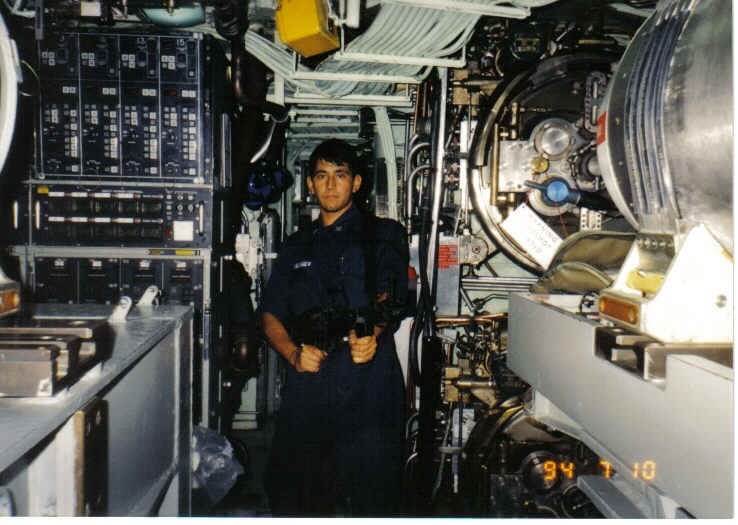
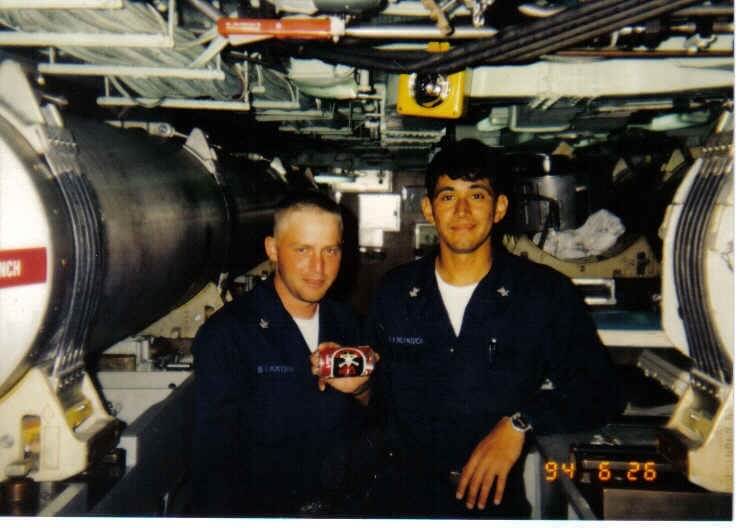
A: My job in the Sub Service was a Torpedoman’s Mate, and my first orders were to report to the USS Benjamin Franklin, an old ballistic missile submarine.
This boat carried 16 intercontinental ballistic missiles and served as a strategic deterrent platform. It also had four forward torpedo tubes. Our mission was to remain constantly prepared and on the move, ready to carry out orders if ever called upon, much like what was portrayed in the movie Crimson Tide. When I reported aboard, the submarine was already 26 years old. Shortly after I transferred to my next command, she was decommissioned.
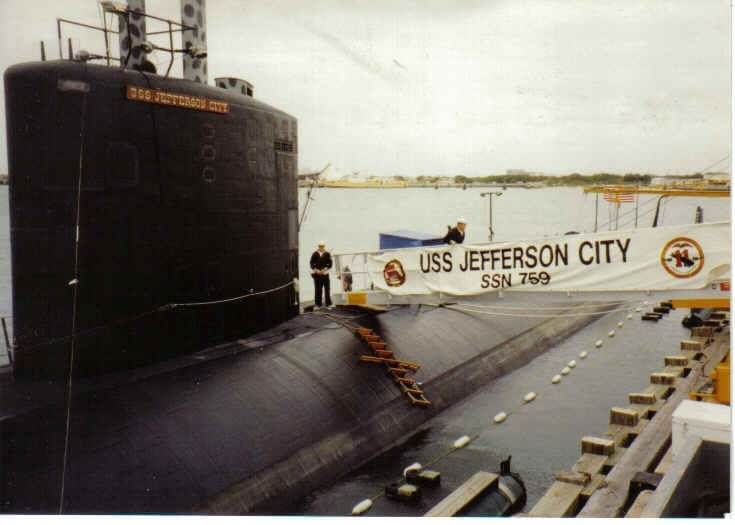
My next set of orders took me to a brand-new submarine, the USS Jefferson City. On board the USS Jefferson City, my responsibilities extended far beyond torpedoes. I was also responsible for Harpoon and Tomahawk missiles, along with their associated handling, launching, and support equipment. This job definitely prepared me for the more technical aspects of working with mechanical, electrical, plumbing, and fire protection systems that I oversee on construction projects today.
Q: In what ways?
A: Much like MEPF systems, understanding individual specifications and technical details are critical to making sure missile systems operate at the highest level of efficiency.
Some of these systems on the Harpoon and Tomahawks included:
- High-, medium-, and low-pressure air systems
- High-pressure hydraulic systems
- Seawater systems
- Electrical power systems
- Low-voltage control systems
To effectively maintain and operate these systems, we were required to thoroughly understand their technical manuals. We had to understand how each system functioned, what failures could occur, what preventive maintenance was required, and how to troubleshoot and perform corrective maintenance when problems arose. The same is true for building systems.
Q: What other kinds of work did you do while on active duty?
A: Another major responsibility I had was serving as part of the submarine’s emergency response team. We trained every day of the week except Sundays. The purpose of that training was to ensure every sailor understood their responsibilities during the various emergencies that could occur during deployment. We practiced repeatedly until our responses became second nature.
Lastly, before any significant evolutions, we conducted detailed planning and safety meetings. During these discussions, we identified individual responsibilities, reviewed potential hazards, and established the controls necessary to perform the work safely. We also established specific code words that could immediately stop work, halt an operation, or trigger an evacuation. One word was all it took. No explanation was needed.
When I look back at those experiences, the parallels to construction are obvious. This coordination is similar to how an efficient construction jobsite operates, with weekly plans, daily huddles, and safety meetings to ensure individual trade partners know their responsibilities and can move around the jobsite without clashes, keeping safety top of mind.
Today, we study plans and specifications the same way we studied technical manuals. We rely on preventive planning to avoid problems before they occur, conduct safety briefings before work activities, and establish clear responsibilities and communication protocols.
We train our teams so that when challenges arise, they know exactly how to respond. Most importantly, we succeed because we trust one another and work together toward a common goal.
The environment in construction may be different from the U.S. Navy, but the principles remain the same: preparation, accountability, teamwork, safety, and execution. The Navy definitely prepares you for a successful career in construction, and I’d encourage any veteran looking for a challenging and fulfilling career to apply and put their skills to good use.