By James Goree, Adam Stallman, and Will Sparks
In our industry, we try not to throw around the word, unprecedented, lightly. We’ve been through a lot, seen a lot, and have stayed resilient through it all. But the truth is we are seeing truly unprecedented lead times and schedule impacts with steel, and we want our clients to be informed and prepared.
Structural steel has historically been a predictable building material when it comes to procurement times and availability. Market insights and our own personal experience show that this is no longer the case, at least for now and for the foreseeable future. This isn’t the first time real-world impacts have driven the cost and lead times of steel up. In 2021, we reported on what were then historic lead times and price surges for steel. Today, the lead times are nearly double what we experienced then, which is why we’re confident classifying current market conditions as unprecedented. Beyond lead times, we must also consider that the demand causing these lead times to expand is also causing challenges with pricing and trade partner availability.
Lead Times Stretching to Historic Lengths
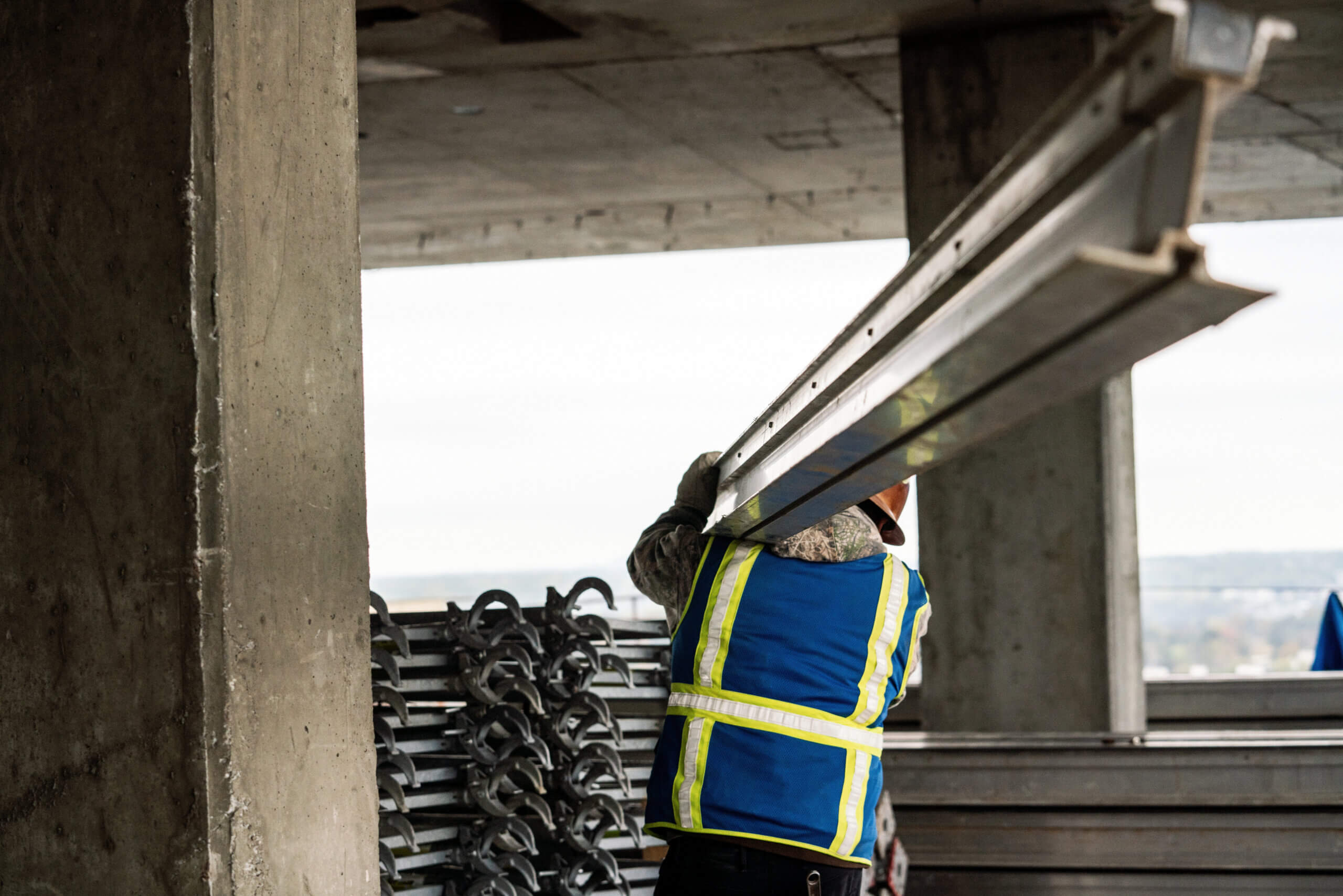
The hardest-impacted steel item we’re seeing is wide flange steel beams. For W24 and larger, we’re getting estimates of 50-to-52-week lead times, and for W16 and larger our trade partners and suppliers are reporting 40 to 45 weeks for procurement. Hollow Structural Section (HSS) lead times vary significantly by supplier, but we’ve gotten reports of 26 to 28 weeks from some sources. Joist and deck availability is generally extending well into the second quarter of 2027. It’s important to note that availability can vary significantly by specific member size, quantity, and mill rolling schedule.
Volatile Pricing
While the availability and lead times of steel remain volatile, we’re seeing pricing continue to change and rise as mills adjust their pricing based on market conditions every few months. In fact, we’re seeing some supplier quotes only valid through the end of the business day, and subcontractor proposals limited to approximately 10 days.
Capacity Problems
Due to the fluctuating costs and short supplies, many of the major steel mills are opting to roll specific sizes only during scheduled production windows. In general, there is a lack of certainty around mill production schedules and your position within their rolling schedules. Even if your project is included in a production run, there is a risk that it could be pushed or removed if the mill cannot secure sufficient raw materials to meet overall demand. This adds an even greater challenge to already expanding lead times, because if your project’s order misses the deadline or you get pushed, you will be waiting weeks to months for the next run. One of our suppliers confirmed they are completely booked through 2027, performing overflow fabrication for multiple national steel fabricators and have no additional capacity until the beginning of 2028.
What’s Driving Steel Challenges?
What’s going on in the world always has a direct impact on our industry. Trade policy, global conflicts, and tariffs on imported steel are certainly contributing factors to these historic lead times and price surges. The cost of diesel fuel is also impacting steel deliveries and costs as well. Beyond this, the ongoing development demand for large-scale data center projects and semiconductor manufacturing facilities is creating an extremely high demand for steel, drastically limiting local trade partner availability, and, as we’ve seen, steel fabricators and suppliers are having a hard time keeping up with the demand.
So, Now What?
This all brings us to the most important question that clients will have, and general contractors need to have an answer for. Now what? Because the answer isn’t to let the market derail our schedules and budgets or risk the overall success of our clients’ projects. We can, and have been, planning for and overcoming these steel procurement challenges on our projects across the country.
The single best tool we have to overcome this escalation is early collaboration between the general contractor, design team, and fabricators. On current projects that are just beginning the design-build process, owners and teams have an opportunity to get ahead of this by incorporating material availability into early structural design decisions, evaluating alternate framing approaches, and considering early mill procurement strategies. Essentially, teams need to work together to design around what is actually available.
Another opportunity of involving contractors, fabricators, structural engineers, and designers as early as possible is fast-track procurement. By having everyone in the same room as design decisions are being discussed, steel quantities can be finalized, and mill orders can be placed before the final design documents are released. The sooner material can be quantified and released, the better positioned the project will be to avoid the supply constraints and scheduling issues.
There are other strategies available to help mitigate supply risks, and it would be worth asking your general contractor to look into these options, although they continue to become more difficult as market conditions tighten:
1. Purchase material through warehouse inventories, either domestic or foreign.
Note: This can carry a premium of approximately $1,000 per ton. Essentially, you are purchasing through a distributor rather than directly from the source, which introduces additional markups.
2. Source material from foreign mills.
3. Carry a steel contingency in the project budget.
If maintaining schedule is critical, having contingency funds available provides additional sourcing options and flexibility should market conditions worsen.
Conditions continue to change daily, but the earlier materials can be finalized and released for procurement, the better the chances of minimizing both pricing escalation and supply-chain impacts. That’s why it’s more important than ever to engage your general contractor as early as possible, so they can work with the design team to consider and plan for the almost certain challenges the steel market will bring to your project.